Daybeds combine the resting function of a bed with the flexible profile of seating, making them useful in guest rooms, home offices, and multipurpose living areas. Their design typically presents a mattress along one side, with a back and ends that help the piece work as furniture for lounging or sleeping.
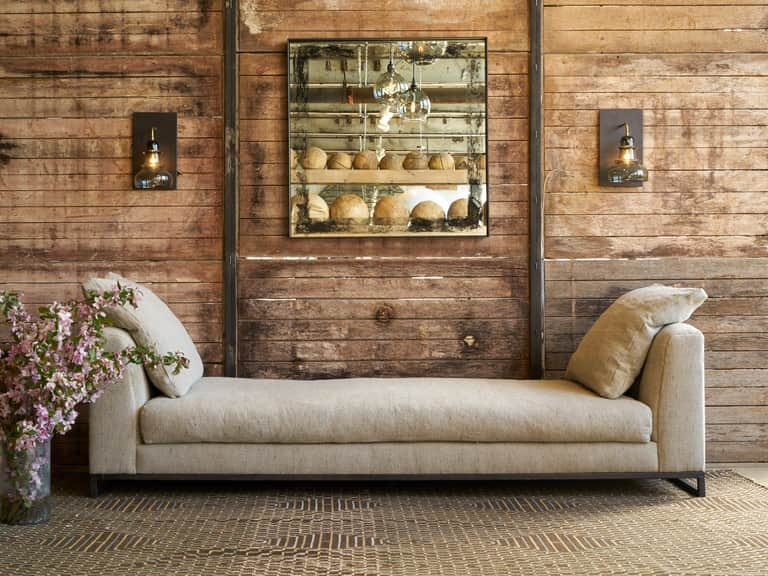
The Cisco Home Richard Daybed is a named example in this category. Its daybed format supports varied daily use, serving as a place to sit during the day and a sleeping surface when needed. Check the product’s specifications for dimensions, materials, mattress requirements, and included components before planning a room layout.
Comfort and appearance depend partly on the bedding chosen for a daybed. Fitted sheets should match the mattress size and depth, while pillows can provide back support for sitting or add comfort for rest. Coordinated bedding can also help the piece feel integrated with surrounding furniture and the room’s overall design.
When evaluating daybed construction, consider the frame’s support system, overall dimensions, and intended mattress type. Some frames use a platform-style base, while others require separate support. A daybed is distinct from many platform bed frames because its raised sides or back can make it function as seating as well as a bed.
Room measurements help determine whether a daybed can fit comfortably without restricting pathways, doors, or other furniture. Allow space for bedding and pillows, and consider how the piece will be used most often. These practical details can guide selection of a daybed that suits occasional guests, everyday lounging, or a compact multifunctional room.
 Furniture